
Friday, May 15, 2026, 12:45 – 1:45 pm, Banyan/Citrus
Moderators: Krystel Huxlin, University of Rochester and Julie Golomb, The Ohio State University
Discussants: Cheri Wiggs, National Eye Institute (NEI); Ashley Fortress, NEI Training Division
Unfortunately, our NSF panelists Betty Tuller, Simon Fischer-Baum and Dwight Kravitz recently notified VSS that the National Science Foundation is not allowing their participation in any outreach activities. We are sure the VSS community has a great number of questions about what is happening at NSF and the publicly rumored dissolution of the Directorate for Social, Behavioral and Economic Sciences. While NSF Program Officers cannot provide answers to those questions, we encourage our members to contact their representatives in Congress to protect federal support for science, including Vision Science!
This workshop, which now only includes panelists from NIH, will address key funding mechanisms for vision research in these US federal agencies and how these have evolved over the last few years. In an open, interactive, Q&A format, our panelists will be invited to answer questions from moderators and the audience about how federal funding agencies are organized, their specific organizations’ current interests and priorities, as well as future directions.
Discussants
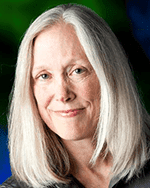
Cheri Wiggs
National Eye Institute (NEI)
Cheri Wiggs, PhD, serves as a Program Director at the National Eye Institute (of the National Institutes of Health). She oversees extramural funding through three programs — Perception & Psychophysics, Myopia & Refractive Errors, and Low Vision & Blindness Rehabilitation. She received her PhD from Georgetown University in 1991 and came to the NIH as a researcher in the Laboratory of Brain and Cognition. She made her jump to the administrative side of science in 1998 as a Scientific Review Officer. She currently represents the NEI on several trans-NIH and trans-agency coordinating committees (including BRAIN, BluePrint, Behavioral and Social Sciences Research, Medical Rehabilitation Research, Collaborative Research in Computational Neuroscience).
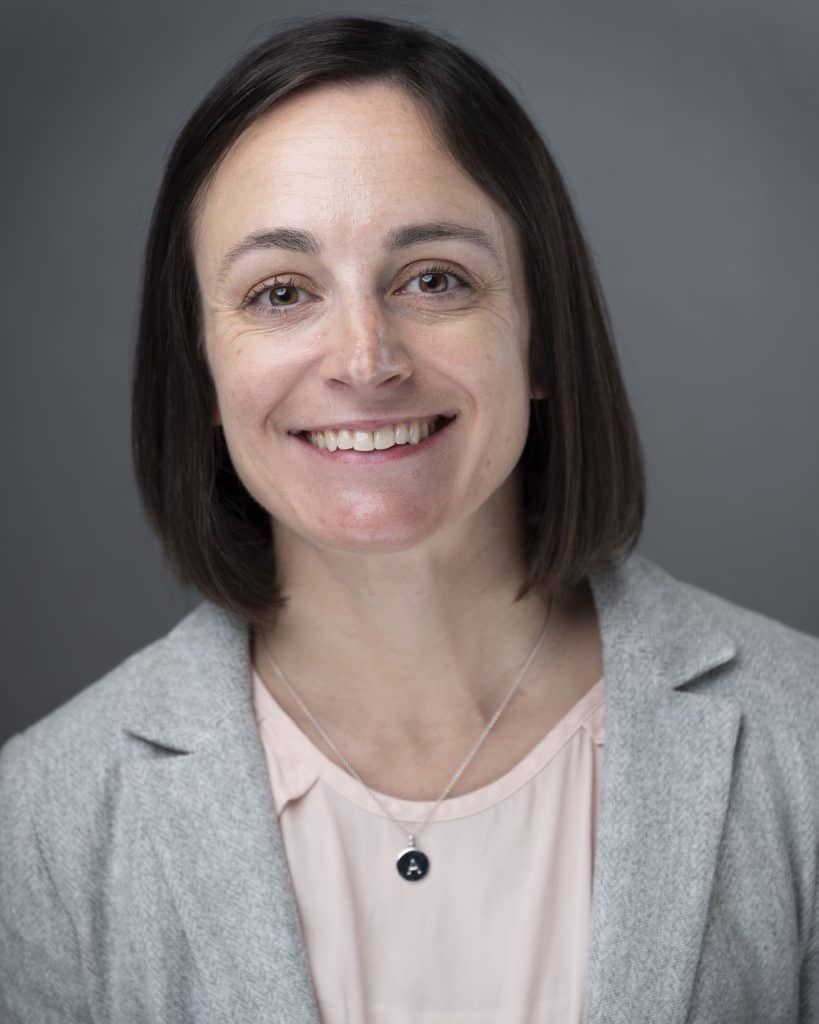
Ashley Fortress
National Eye Institute (NEI)
Ashley Fortress, PhD, is a Program Director at the National Eye Institute at the National Institutes of Health. She co-leads the Research Training program, overseeing individual fellowships, career development awards, and institutional research training awards. She also oversees the Regenerative Medicine program, which includes development, regeneration, and cell-based therapies for eye diseases. At NEI, she serves or has served on committees such as the Audacious Goals Initiative, 3D Retinal Organoid Challenge, and BRAIN Initiative. Ashley has also led strategic planning implementation efforts, conducted mock study section panels, and coordinated numerous grants administration outreach sessions. Ashley was a Scientific Review Officer at NEI prior to her current role as a Program Director.
Moderators
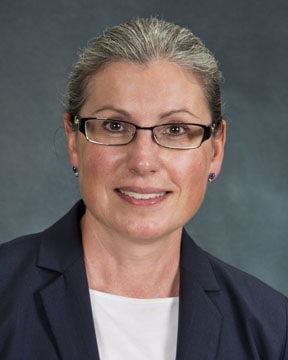
Krystel Huxlin
University of Rochester
Dr. Huxlin is Professor of Ophthalmology at the University of Rochester, Associate Director of the Center for Visual Science and co-director of its training program. Her research seeks to understand how visual functions can be restored after cortical damage in adulthood. She studies human patients and animal models of visual cortical damage using tools that include psychophysics, fMRI, ocular imaging, neuroanatomy, as well as cell and molecular biology. She has authored over 100 peer-reviewed publications and 12 patents. She has been a member of the Board of Directors of the Vision Sciences Society (VSS) since 2022, serving as Society President from 2024 to 2025. Finally, in addition to acting as a reviewer for granting bodies in the US and world-wide, she is a member of the Board of Reviewing Editors at eLife and the Journal of Vision.
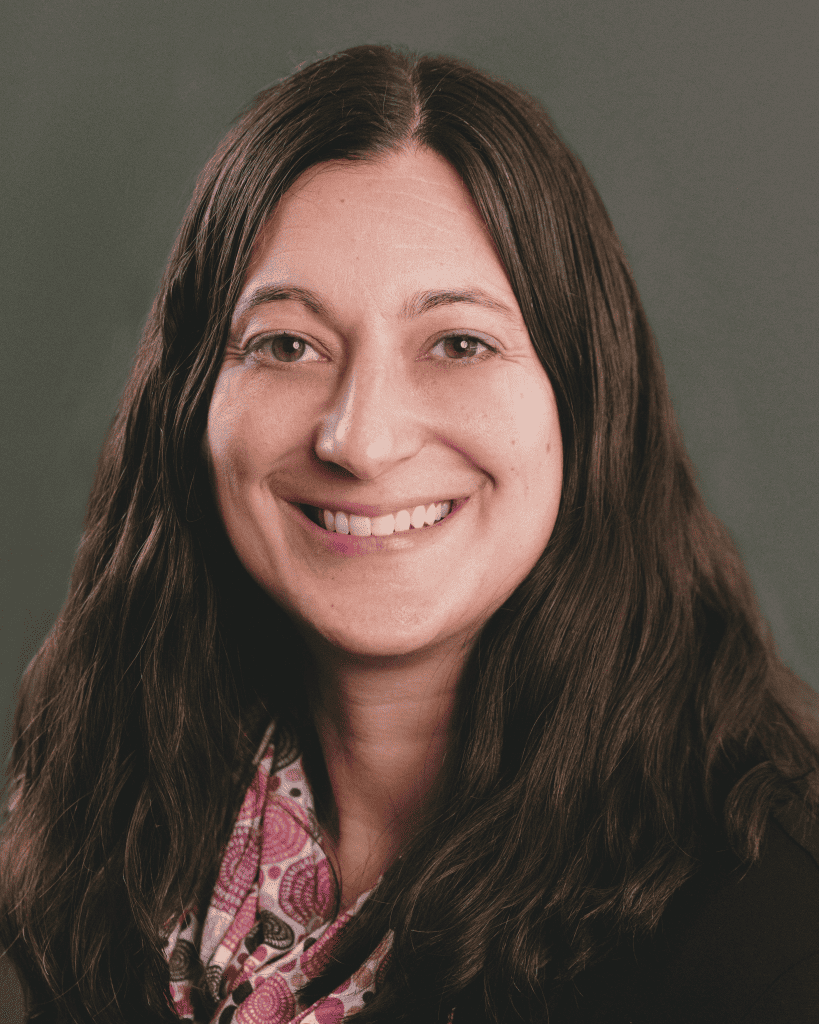
Julie Golomb
The Ohio State University
Julie Golomb is a Professor of Psychology at the Ohio State University, where she directs the OSU Vision and Cognitive Neuroscience Lab and is head of the Cognitive Neuroscience Area and PhD program. Her research investigates how we achieve stable and integrated visual perception, and how perception, attention, and working memory interact. Her lab uses a variety of methodologies, including human behavior, eye-tracking, fMRI, EEG, TMS, and computational modeling. Julie has been on the VSS Board of Directors since 2025 and was the VSS awardee of the Federation of Associations in Behavioral and Brain Sciences (FABBS) Early Career Impact Award in 2019. Her lab has been funded by grants and fellowships from NIH, NSF, Sloan Foundation, and NSERC.